The Fragility of the Eternal
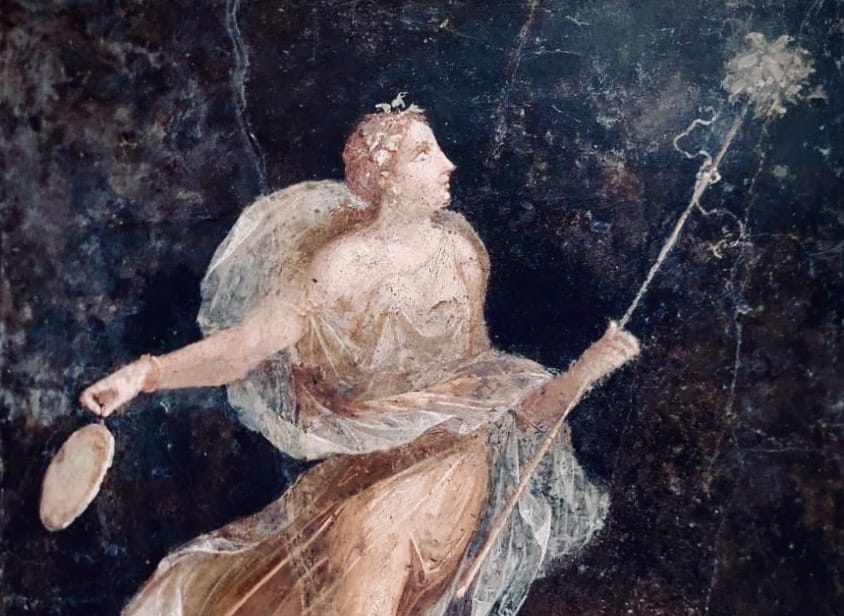
I wanted to go to the exhibition "The Fragility of the Eternal" after seeing an official car and serious protocol in front of the museum. Then I saw the poster with a floating female figure and the title of the exhibition. The intriguing message was powerful enough to convince me that someone had done their homework in cultural marketing.
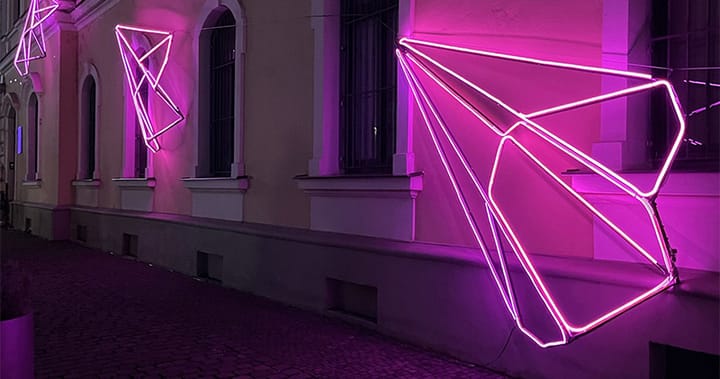
I arrived at the Art Museum in Timișoara on a rainy day in February. The museum building is located in the most charming square of this bohemian city. Architecturally speaking, it is a classic example of elegant Baroque with large windows and high ceilings that create a perfect space in which to breathe history. The ornamental details and carefully crafted chiaroscuro contribute to the visual experience and highlight the art.
Since it was about the tragedy of Pompeii seen through the eyes of art, I expected a journey into the past, a search among the ruins. It seemed like a fitting start for a subject I hadn't had the opportunity to explore until now. In addition, I wanted to see the photograph of the eruption captured by the imagination of the artists who painted it retrospectively.
I was surprised to learn how much fascination this wound preserved in Europe's memory has generated. Perhaps there is something deeply human in this attraction to catastrophe: the need to understand why it happened. In this process, art transforms disaster. The ruins are aestheticized and the tragedy is embellished with vivid colors and sweeping landscapes.
Looking at the paintings on display, the dominant feeling is not drama, but the beauty of life before. Frescoes with pastoral scenes, delicate ornaments inspired by nature, harmonious interiors—all speak of peace and abundance. The walls of lost houses preserve fragments of normality with peaceful scenes, drawings of birds, garlands of flowers, warm colors. A world that lived without a premonition of what was to come, people who enjoyed peace, prosperity, and routine. The artists brought to light the beauty of those places and the fact that those who lived there perceived it as something natural, almost mundane.
When you realize how suddenly that harmony was destroyed, the process of introspection becomes a personal one. We know that we are transitory in this world, but everything can make you wonder if the things you experience today could end in an instant. Only then did I understand the apparent contradiction in the exhibition's title: The Fragility of the Eternal. How could the eternal be fragile?
Ashes and ruins however, force you to rethink your perception of what seems eternal. Everything we consider durable—cities, empires, cultures, our own stability—can be pulverized in an instant. In this way, Pompeii creates a dialogue between the past and the present. It reminds us how fragile we all are, even when life seems stable and predictable.
Perhaps I would have been left with this final image of tragedy etched into the eternal memory of Europe. I would have thought long and hard about ruin and how our continent builds its identity on fragments of destruction. But I asked my mother what she liked about this exhibition. And she told me that she was not impressed by the tragedy itself, nor by the fascination with ruins. She only noticed the beauty that God had placed in people and the times of blessing and peace they had experienced in such a rich and beautiful area. And then, almost unrelated, she added:
“And yes, I love Italy!”